A Deep Dive Into Metal Foundries: Important Info and Sector Fads
Steel factories play an important duty in the production market, transforming basic materials right into vital elements. The processes included, from melting to quality control, are complicated and call for accuracy. Recent developments are improving the sector, introducing automation and sustainability practices. Yet, obstacles persist, particularly relating to labor and product costs. Recognizing these aspects is essential for grasping the current landscape and future direction of factories. What exists in advance for this fundamental industry?
Understanding the Steel Factory Process
The steel shop procedure may appear complicated, it revolves around a couple of essential stages that transform raw materials right into finished steel items - Metal Foundry. Raw products such as steel ores, scrap metal, and alloys are sourced. These materials undergo melting in heating systems, getting to heats to dissolve the metal. As soon as molten, the steel is poured into molds, where it cools and strengthens into the desired form
Complying with solidification, the castings are gotten rid of from the molds, leading to additional processing. This might include trimming excess product, surface completing, and warmth therapy to improve buildings. Quality control assessments are vital throughout the process to guarantee that the final items satisfy needed requirements and requirements.
Key Technologies Sustaining Foundry Technologies
The innovations in modern technology have substantially affected the steel foundry market, driving technologies that boost efficiency and item high quality. Trick modern technologies reshaping this field consist of automation and robotics, which streamline operations and lower labor prices, enabling accuracy in mold making and steel putting. Furthermore, the adoption of 3D printing is changing pattern production, making it possible for complex styles that standard techniques can not accomplish. In addition, simulation software has actually arised as a vital tool, allowing foundries to predict and solve possible casting problems before manufacturing, therefore saving time and sources. The assimilation of IoT (Net of Points) gadgets improves monitoring and information collection, promoting real-time modifications to processes. Developments in metallurgy, such as the development of brand-new alloys, are broadening the capabilities of foundries to produce more powerful and lighter parts. With each other, these technologies are transforming the landscape of metal shops, driving them towards better technology and competitiveness.
The Duty of Quality Assurance in Metal Casting
Quality control plays a crucial role in steel casting, making sure that each part fulfills rigorous specifications and performance criteria. This procedure includes a selection of methods, including aesthetic inspections, dimensional dimensions, and material screening - Aluminum Casting. Shops employ quality assurance personnel who keep track of each stage of manufacturing, from raw material option to the end product inspection
By utilizing innovative technologies such as non-destructive testing and automatic inspection systems, steel shops can determine problems early in the manufacturing cycle. This aggressive strategy reduces waste and lowers the chance of expensive rework. Additionally, adherence to sector criteria, such as ISO accreditations, strengthens a shop's dedication to quality, boosting consumer self-confidence and complete satisfaction.
Eventually, reliable quality assurance not only improves the reliability and longevity of actors parts yet likewise drives constant enhancement within the shop, fostering a society of quality and development in metal spreading processes.
Sustainability and Ecological Practices in Foundries
As steel shops my company increasingly recognize their effect on the environment, a commitment to sustainability has actually become important in their functional techniques (Metal Casting). Lots of shops are carrying out energy-efficient innovations, such as electric induction heaters, which substantially decrease greenhouse gas exhausts contrasted to typical approaches. The fostering of recycled materials, specifically scrap steel, has additionally obtained traction, lessening waste and conserving all-natural resources
Additionally, water administration practices are being enhanced to lower intake and stop contamination. Many factories are buying closed-loop systems that reuse water used in cooling and cleansing procedures. Additionally, dirt and discharges manage innovations are being updated to guarantee compliance with ecological regulations.
Future Patterns and Difficulties in the Metal Factory Market
Emerging trends in the metal foundry industry highlight a shift in the direction of advanced innovations and innovative practices aimed at enhancing efficiency and competitiveness. Automation, including robotics and expert system, is progressively embraced to click resources streamline operations and reduce labor costs. In addition, the integration of Market 4.0 technologies helps with real-time information evaluation, making it possible for better decision-making and predictive maintenance.
Nevertheless, obstacles continue. The sector deals with a proficient labor scarcity, demanding investment in workforce training and advancement. Additionally, varying raw material prices and supply chain interruptions pose significant difficulties. Ecological guidelines are coming to be stricter, pressing foundries to take on sustainable methods that can be costly initially but helpful lasting.
On top of that, the need for high-performance and light-weight alloys is increasing, calling for factories to innovate their products and processes. Stabilizing these patterns with recurring difficulties will be essential for the future success of the metal foundry sector.
Often Asked Inquiries
What Is the Background of Steel Factories?

Just How Do Foundries Determine Steel Alloy Compositions?
Shops establish metal alloy compositions with a mix of empirical testing, computer modeling, and market requirements. They examine desired residential properties, application needs, and cost-effectiveness, making sure the final alloy meets certain efficiency criteria for designated usages.
What Are one of the most Usual Factory Products Made Use Of?
The most typical foundry products consist of cast iron, light weight aluminum, bronze, steel, and brass. These materials are favored for their adaptability, longevity, and stamina, making them ideal for numerous applications in production and building and construction.
How Do Factories Take Care Of Hazardous Waste Disposal?
Foundries take care of hazardous waste disposal via best site rigorous adherence to ecological regulations, using specialized control systems, reusing campaigns, and partnerships with qualified waste administration companies to assure secure and compliant disposal of poisonous materials.
What Job Opportunities Exist in the Steel Foundry Sector?
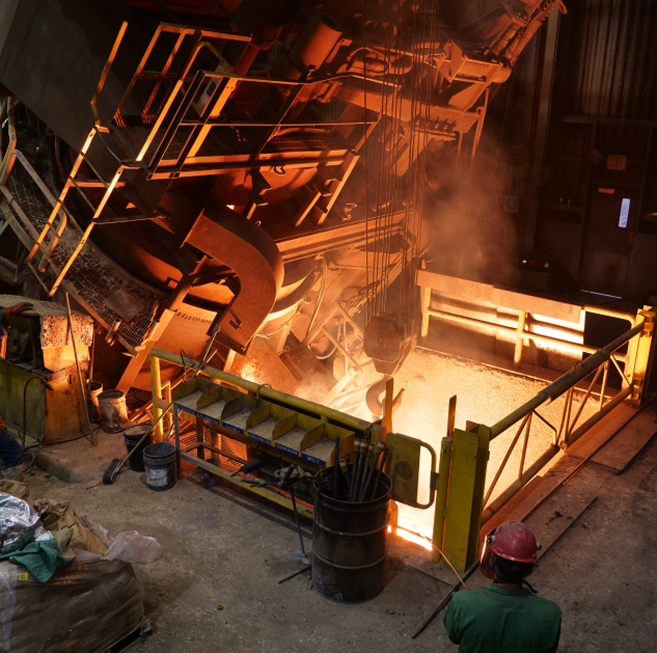
Steel foundries play a vital function in the manufacturing industry, transforming raw products right into crucial parts. The steel foundry procedure might appear facility, it rotates around a couple of fundamental phases that transform raw materials into finished metal products. The improvements in technology have substantially affected the steel foundry market, driving innovations that improve efficiency and product quality. The history of metal shops dates back to ancient civilizations, where craftsmens initially melted steels to create decors and tools. The steel shop industry offers diverse job opportunities, consisting of duties in engineering, top quality control, procedures administration, and ecological compliance.